
Jiu Jitsu for Kids Near Me: A Parent's Guide to Classes
Which class would your child still want to attend in week twelve, the one with the best photos on its website or the one where the coaching fits them?
Most parents start with Jiu Jitsu for kids near me in a search bar, open three tabs, compare timetables and prices, and book whichever trial slot works around school pickup. That's a sensible process, but it measures the wrong things. Photos, price and convenience tell you nothing about how your child will be grouped, how much contact they'll have with other children, or what a coach does in the first ten minutes if your child freezes at the door.
The stakes are bigger than a hobby choice. The AIHW, drawing on 2011–12 national survey data, reported that only 23% of Australian children aged 5–14 achieved the recommended 60 minutes of physical activity every day, and that participation falls sharply with age: 61% of children aged 2–5 met the guideline compared with 7.9% of teenagers aged 13–17 (AIHW).
So the useful question isn't which academy markets best. It's which class your child will keep attending once the novelty wears off. Three things predict that far better than a promotional video: how children are grouped, how safety is handled on an ordinary Tuesday, and whether the class fits inside a week that also needs sleep, school and unstructured play.
Table of Contents
Kids Jiu Jitsu Classes and Prices Near Alexandria
What does the weekly price include, and which parts of the program are relevant to your child? Start by separating confirmed kids' costs from programs with no listed price.
Program | Suited to | Weekly price | Free trial |
|---|---|---|---|
Jiu Jitsu for Kids | Children learning in a fun, safe and engaging environment | $35 per week | 1-day free trial |
Beginners program | People of all ages, genders and fitness levels building fundamental skills | Kids: $35 per week; adults: $55 per week | Free trial class |
Advanced program | Students at Blue Belt level working towards Black Belt | Not listed | Free trial class |
No-Gi / Grappling | Training without the traditional Gi, including wrestling techniques, grips and submissions | Not listed | Free trial class |
Adults | Adult beginners and practitioners | $55 per week | 1-day free trial |
The kids' program introduces children to Jiu Jitsu while developing discipline, focus, coordination and self-defence skills. Locals Kids starts at $35 per week on a subscription basis, with no sign-up fee or lock-in contract. Family discounts apply, and the membership includes a one-day free trial.
The Beginners program builds a foundation of fundamental techniques and concepts. It is available to people of all ages, genders and fitness levels, so a parent and child can each start at a suitable level. The Advanced program is for students who have reached Blue Belt and want to explore Jiu Jitsu in more depth on the path towards Black Belt. No-Gi / Grappling focuses on training without the traditional Gi, using wrestling techniques, grips and submissions suited to that format. Prices for these programs are not listed in the information here, so don't assume the kids' or adult rate applies to them.
Cost detail | Kids | Adults |
|---|---|---|
Weekly starting price | $35 | $55 |
Sign-up fee | None | None |
Contract | No lock-in | No lock-in |
Family discount | Applies | Applies |
Free trial | 1 day | 1 day |
Classes run from morning till night for different ages and fitness levels. That range can help a family find a suitable time, but a Jiu Jitsu class is only one part of a child's week. Leave room for school, sleep, other activities and unstructured play; choose a schedule your family can keep up with.
For details on Jiu Jitsu prices in Alexandria, compare the listed terms and ask which rate applies to the program you're considering.
How Classes Are Grouped by Age and Experience
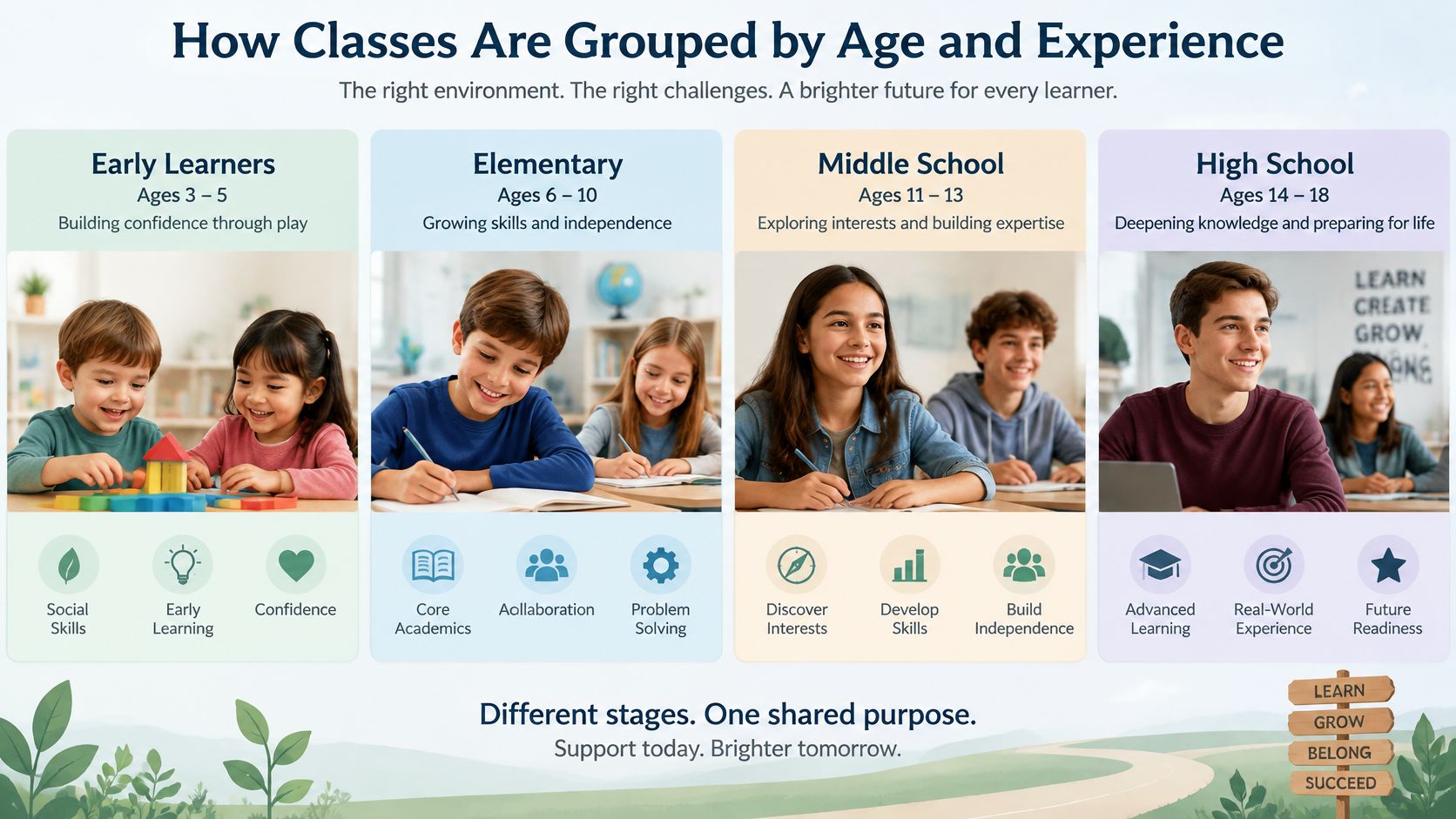
A class should give children instruction and training partners suited to their stage of learning. Locals Jiu Jitsu Alexandria offers children's, beginners, advanced and No-Gi programs, with instruction grouped by development stage, experience and training format rather than placing everyone in one general class.
Each stream has a different purpose. Children's classes introduce Jiu Jitsu through guided drills and technical training, building coordination, focus, discipline, respect and teamwork alongside self-defence skills. Beginners learn fundamental movements, positions and submissions, plus the ideas behind them, such as balance and strategy. The advanced program is for students who have reached blue belt and want to explore techniques and concepts in greater depth as they work towards black belt. No-Gi classes train without the traditional uniform, covering wrestling techniques, grips and submissions used in that format.
The coaching team includes head coach Gian Baratela, black belt co-owners Troy Pitman and Frank Damasco, black belt Lee Aguilera Martinez, and No-Gi specialist Moe Elkheir. The academy combines traditional Jiu Jitsu principles with an openness to adapting its methods, in a respectful, controlled environment.
For a teenager, ask how the class matches their experience and what training partners they will work with. The guide to Jiu Jitsu classes for teens offers more context for considering that age group.
At enrolment, ask which stream suits your child now and what they would need to learn before moving to another.
Free Trial Safety Checks Parents Should Observe
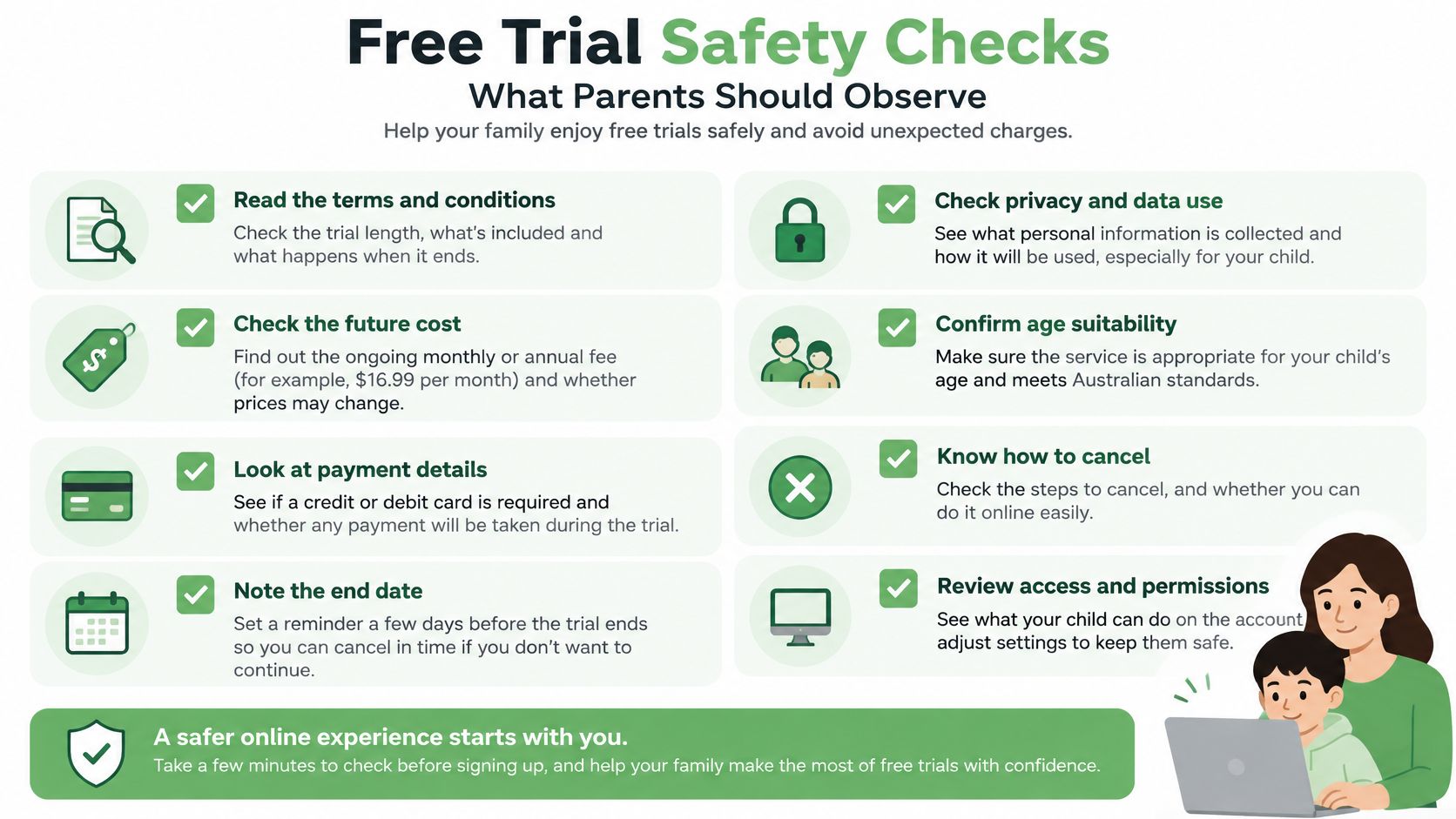
What can you learn from one free trial? Watch how the class is organised, how the coach responds to children, and whether the pace suits your child. A trial gives you a useful snapshot, not a verdict on every part of the academy.
Children should do activities suited to their strength, skills and experience, and warm up with movements relevant to the session. Healthdirect's guidance on safe exercise for children explains this principle. In a Jiu Jitsu class, you can look for it from the warm-up through to partner work.
What to Watch, in the Order It Happens
A relevant warm-up comes first. Look for planned movements that prepare children for the positions and actions in class. A warm-up should do more than fill time before partner drills.
Children spend time practising. Notice whether they take turns with a clear purpose or spend much of the session waiting in line. A class can be active without every child moving at once, but instructions and rotations should keep waiting manageable.
Foundations come before faster practice. Watch whether children are shown how to fall safely and practise escapes before trying more demanding partner work. Clear demonstrations give them a chance to learn each movement at a controlled pace.
Rules for pressure are explained. Ask how the coach prevents uncontrolled pressure on the neck or joints. Look for a specific rule children can understand, not only a general promise to be careful.
Partners are matched thoughtfully. Size, confidence and experience all affect how a pair can practise. Notice whether a coach adjusts pairings when one child is much smaller or newer than their partner.
Intensity builds gradually, with supervision. Controlled practice gives the coach time to correct technique and remind children to slow down. Watch whether the coach can see and guide each live round.
Coaches explain how they handle incidents. Ask what happens if a child gets hurt during class. A clear description of the process helps you understand how the academy responds.
A nervous child gets time to settle. Notice whether the coach gives them a simple way to take part, such as watching briefly or helping with a small task. Children may need different levels of encouragement to feel comfortable joining in.
Three Questions for the Car Ride Home
Ask your child: Did you feel safe? Did you understand what to do? Would you like to come back? Their answers add another perspective to what you observed. A child who felt confused may need clearer instruction or more time to become familiar with the class.
After the trial, mark each check as strong, mixed or weak. A concern is a reason to ask the coach for an explanation; several concerns, or an unwillingness to answer questions, may mean the class is not a good fit. For more practical ideas, read how to keep children smiling while training Jiu Jitsu.
Child Safe Standards and Questions to Ask
Ask safeguarding questions before you pay, and ask for the answers in writing. In NSW, organisations that provide services to children must implement the Child Safe Standards, and the Working With Children Check screens adults in child-related roles, as the NSW Office of the Children's Guardian explains for sport and recreation. Both are obligations on the organisation, not personality traits of an individual coach.
Pages that rank for Jiu Jitsu for kids near me rarely answer these in detail, so bring the list with you.
Working With Children Check. Are all coaches and regular assistants verified, and who keeps the records? A good answer names the process and the person responsible for it.
Written procedures. What happens after an injury, a bullying report or a disclosure from a child? A good answer points to a document you could read.
Parents on site. Can you watch a class without booking ahead, and where do you sit? Supervision works better when it's visible.
Supervised spaces. Who watches the changing area and the door at pick-up? This matters more than most parents expect.
Consent and boundaries. How are they explained to children in words they understand, and how are training partners chosen?
A slower path. What happens when a child is anxious, neurodivergent or doesn't want physical contact?
That last question separates academies more than any other. A child who is allowed to watch, drill with a coach or sit out a live round for a few weeks usually rejoins the group. A child pushed into contact too early often stops coming, and the sport gets the blame.
Screening sits inside the same picture. If you want to understand what a thorough process involves, this guide to how to set up coach background checks walks through the steps clubs should be taking. We describe our environment as respectful and controlled, with an inclusive community across age, gender, race, religion and social background, and we're glad to answer these questions in writing before a child enrols.
How One or Two Classes Fit a Child's Week
One class is an hour inside a week of 168. Whether it helps depends on what sits around it. Australian guidance treats movement, sitting and sleep as one connected picture, and the targets are easy to state, per the 24-hour movement guidelines fact sheet.
Age group | Daily physical activity | Sleep each night | Recreational screen time |
|---|---|---|---|
5–13 years | At least 60 minutes moderate-to-vigorous | 9–11 uninterrupted hours | No more than 2 hours a day |
14–17 years | At least 60 minutes moderate-to-vigorous | 8–10 hours | No more than 2 hours a day |
The benchmark itself is at least 60 minutes of moderate-to-vigorous physical activity each day, plus vigorous activity and muscle- and bone-strengthening work on at least three days a week, according to the Department of Health and Aged Care recommendations for children and young people aged 5 to 17. That daily target can be built from shorter sessions, which is exactly where one or two classes earn their place.
A well-run class adds real minutes. Warm-ups, stand-up entries, positional drills and controlled grappling keep children moving with short rests, and repeated shifts between base, balance, posture and ground positions load coordination while partner resistance supplies a strength stimulus. What it doesn't replace is aerobic play: running, swimming, kicking a ball in the park.
One Realistic Week
Monday: one class after school, walk home afterwards.
Tuesday: nothing structured. Scooter to school, twenty minutes in the park before homework.
Wednesday: the second class, or a swim if the timetable doesn't fit that day.
Thursday: school sport or a family walk after dinner.
Friday: free play, with recreational screen time kept under two hours across the day.
Weekend: one longer active outing to round out the week.
The test of a timetable: if you'd have to skip it twice a month, it's the wrong slot, however good the coaching.
The barriers that decide attendance are rarely about style. After-school timing, travel, cost, fatigue and competing activities decide it, and a 4.30pm class that collides with pickup will be missed more often than a 6pm one that doesn't. Choose the timetable you can keep for a whole term rather than the most intense option on the board.
Book Your Child's Free Trial Class
A free trial gives your child a chance to experience the class before you decide on a weekly routine. Check the timetable, then choose a session that matches your child's age and experience and fits your family's schedule.
Contact Locals Jiu Jitsu Alexandria by calling 0414752412 or emailing team@localsalexandria.com.au to book. The academy offers a free trial class and aims to respond to enquiries as soon as possible. Ask what your child should wear and bring, and take your safety and safeguarding questions to the visit.
Kids' memberships start at $35 per week, subscription-based, with no sign-up fee or lock-in contract. Family discounts apply. Use the trial to see how your child responds to the coaching and class environment, then decide whether the cost and schedule work for your family.
If you're curious about how another club presents a free first session for young children, first session free for preschoolers is an example.
Locals Jiu Jitsu Alexandria's Kids program introduces children to Jiu Jitsu in a fun, safe and engaging environment. Check the timetable and book a free trial to see whether the class suits your child.
Comments